Cancer care is changing rapidly. Around the world, patients are looking beyond standard chemotherapy and radiation, searching for treatments that are more precise, less toxic, and tailored to their unique biology. In this global shift toward personalized and AI driven medicine, one country continues to stand out: Germany.
But what exactly makes Germany such a trusted destination for innovative cancer treatment? And why do international patients consistently choose German clinics and research centers for complex oncology care?
In this in depth guide, we will explore the medical, technological, and systemic factors that have positioned Germany at the forefront of modern cancer therapy. We will also explain how WEGOVITA GmbH helps international patients access these advanced treatment options with clarity and confidence.
A Strong Foundation in Medical Research and Innovation
Germany has long been recognized as a leader in medical science. Its healthcare system is deeply integrated with academic research, meaning that discoveries in laboratories often move quickly into clinical practice.
Renowned institutions such as Charité – Universitätsmedizin Berlin, German Cancer Research Center, and University Hospital Heidelberg are globally respected for their contributions to oncology research.
These institutions do not work in isolation. They collaborate across disciplines including molecular biology, immunology, radiology, and data science. This cross collaboration accelerates the development of new treatment strategies and ensures patients benefit from cutting edge science.
For patients, this means access to therapies that are based on the latest evidence and often available earlier than in many other countries.
Leadership in Personalized Cancer Treatment
One of the most significant trends in oncology today is personalized medicine. Rather than applying a one size fits all treatment plan, German oncology centers focus on identifying the genetic and molecular profile of each tumor.
Through advanced genomic sequencing and molecular diagnostics, doctors can determine:
- Which mutations are driving tumor growth
- Which targeted drugs are most likely to be effective
- Whether immunotherapy is suitable
- How aggressive the treatment plan should be
This approach reduces unnecessary toxicity and increases the likelihood of successful outcomes.
Germany has invested heavily in molecular pathology labs and precision oncology programs. Tumor boards composed of specialists from different fields review each case in detail. This ensures that every patient receives a treatment plan tailored specifically to their condition.
Pioneering Immunotherapy and Targeted Therapies
Immunotherapy has revolutionized cancer treatment globally, and Germany has played a central role in this progress.
German researchers and clinicians have contributed significantly to the development and clinical application of:
- Checkpoint inhibitors
- CAR T cell therapy
- Cancer vaccines
- Monoclonal antibodies
These therapies help the immune system recognize and attack cancer cells more effectively. For certain cancers such as melanoma, lung cancer, and some blood cancers, immunotherapy has dramatically improved survival rates.
In addition to immunotherapy, Germany is known for advanced targeted therapies that act on specific molecular pathways. These treatments are often more precise than traditional chemotherapy and can result in fewer side effects.
Patients treated through WEGOVITA GmbH are guided toward centers that specialize in the most appropriate innovative therapies for their diagnosis.
Advanced Radiation and Proton Therapy
Germany is also a global leader in high precision radiation therapy.
Modern techniques available in top German clinics include:
- Intensity modulated radiation therapy
- Image guided radiation therapy
- Stereotactic radiosurgery
- Proton therapy
Proton therapy, in particular, is one of the most advanced forms of radiation treatment. It allows doctors to deliver high doses of radiation directly to tumors while minimizing damage to surrounding healthy tissues.
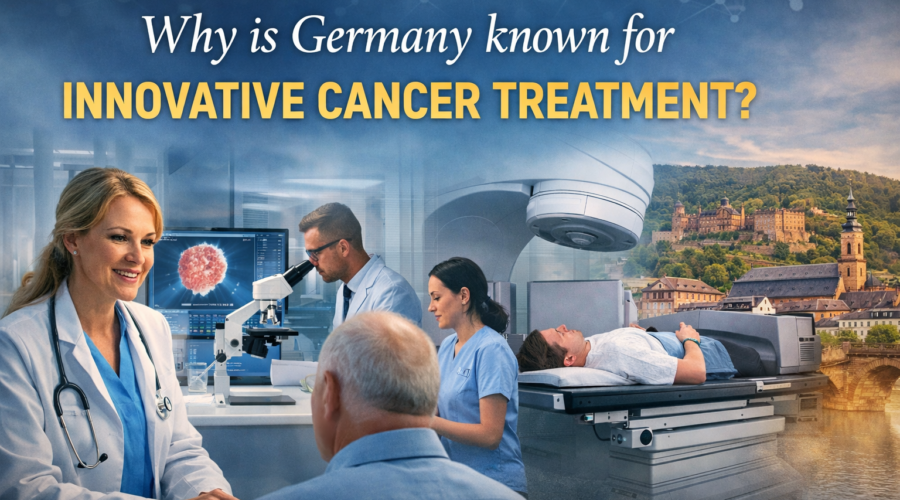
The Heidelberg Ion-Beam Therapy Center is one of the most advanced facilities of its kind in Europe. It treats complex tumors, including those located near critical organs or in pediatric patients where tissue preservation is especially important.
This technological sophistication attracts patients from across the globe who are seeking safer radiation options.
Integration of Artificial Intelligence in Oncology
Artificial intelligence is transforming how cancer is diagnosed and treated. Germany has embraced this shift by integrating AI tools into radiology, pathology, and treatment planning.
AI systems are used to:
- Analyze imaging scans for earlier detection
- Assist pathologists in identifying subtle cancer patterns
- Predict treatment responses
- Optimize radiation dose distribution
By combining clinical expertise with advanced data analysis, German centers enhance both accuracy and efficiency in patient care.
This alignment with global trends toward digital and data driven healthcare further strengthens Germany’s reputation as a forward thinking oncology destination.
Rigorous Quality Standards and Safety Protocols
Another key reason Germany is trusted worldwide is its strict regulatory and quality control system.
Hospitals must comply with comprehensive standards for:
- Equipment maintenance
- Staff training
- Infection control
- Clinical documentation
- Patient safety
Many oncology departments are certified by international accreditation bodies and participate in ongoing quality audits.
This ensures transparency and accountability. For international patients, it provides reassurance that treatment is delivered according to some of the highest medical standards in the world.
Multidisciplinary Treatment Approach
Cancer treatment in Germany is rarely handled by a single physician. Instead, cases are reviewed by multidisciplinary tumor boards that include:
- Oncologists
- Surgeons
- Radiologists
- Pathologists
- Radiation specialists
- Genetic counselors
This team based approach ensures that all possible treatment angles are considered. It reduces the risk of oversight and leads to more comprehensive care plans.
For complex or advanced cancers, this collaborative model can significantly improve outcomes.
Access to Clinical Trials and Emerging Therapies
Germany offers access to numerous clinical trials investigating next generation therapies. Patients may have opportunities to receive innovative treatments that are not yet widely available.
Participation in clinical trials is carefully regulated and monitored. Eligibility criteria are strictly defined, and patient safety is prioritized.
For some individuals, especially those with rare or treatment resistant cancers, clinical trials can provide new hope when conventional options are limited.
WEGOVITA GmbH assists patients in understanding whether clinical trial participation is appropriate for their case and helps coordinate communication with leading research hospitals.
Strong Public Healthcare Infrastructure with Private Excellence
Germany’s healthcare system combines robust public insurance coverage with high quality private care options.
This dual structure results in:
- Well funded hospitals
- Continuous investment in new technology
- Highly trained medical professionals
- Efficient hospital management systems
Medical education in Germany is rigorous, and oncology specialists undergo extensive training and certification.
The result is a highly skilled workforce capable of delivering advanced, evidence based cancer treatment.
Patient Centered Care and International Support
Beyond technology and research, Germany is known for its patient focused philosophy.
Hospitals often provide:
- Detailed consultations
- Transparent treatment explanations
- Psycho oncological support
- Rehabilitation services
- Nutritional counseling
International patients benefit from dedicated medical coordination teams, interpreter services, and streamlined administrative processes.
WEGOVITA GmbH plays an essential role in simplifying the journey for patients traveling to Germany. From initial medical document review to hospital selection and logistical coordination, the company ensures that patients can focus on their health rather than complex paperwork.
Why Patients Choose Germany for Complex Cases
Patients often turn to Germany when they are facing:
- Advanced stage cancers
- Rare tumor types
- Recurrence after initial treatment
- Need for second opinions
- Desire for cutting edge therapies
Germany’s combination of research driven innovation, high safety standards, and individualized care makes it a strong choice in such challenging situations.
The integration of personalized medicine, AI based diagnostics, and multidisciplinary expertise reflects the latest global trends in oncology.
The Role of WEGOVITA GmbH in Accessing German Cancer Care
Navigating an international healthcare system can be overwhelming. Language barriers, documentation requirements, and treatment comparisons add complexity at an already stressful time.
WEGOVITA GmbH serves as a trusted bridge between patients and leading German oncology centers. The company:
- Reviews medical reports
- Identifies suitable hospitals and specialists
- Coordinates appointments
- Supports communication
- Assists with travel and logistics
By offering structured guidance, WEGOVITA GmbH ensures that patients receive reliable information and access to some of the most advanced cancer treatment options available in Germany.
Frequently Asked Questions
Why is Germany considered advanced in cancer treatment?
Germany combines world class research institutions, advanced medical technology, and strict quality standards. Its focus on personalized medicine and multidisciplinary care contributes to improved treatment precision and outcomes.
Does Germany offer personalized cancer therapy?
Yes. German oncology centers routinely use molecular diagnostics and genetic profiling to tailor treatments to the specific characteristics of each patient’s tumor.
Is immunotherapy widely available in Germany?
Immunotherapy is commonly used in leading German cancer centers for various tumor types, including melanoma, lung cancer, and certain blood cancers.
Can international patients access clinical trials in Germany?
In some cases, yes. Eligibility depends on the specific trial and medical criteria. Careful evaluation is required to determine suitability.
How does AI improve cancer treatment in Germany?
AI assists with imaging analysis, pathology evaluation, and treatment planning. It enhances diagnostic accuracy and supports personalized therapy decisions.
How can WEGOVITA GmbH help international patients?
WEGOVITA GmbH provides comprehensive coordination services, from reviewing medical records to connecting patients with specialized German hospitals and assisting with travel arrangements.
Final Thoughts
Germany’s reputation for innovative cancer treatment is not built on a single breakthrough or technology. It is the result of decades of research, disciplined healthcare standards, and a commitment to continuous improvement.
In the current era of personalized and AI driven medicine, Germany stands at the intersection of scientific discovery and patient centered care. For individuals seeking advanced oncology solutions, the country offers a powerful combination of precision, safety, and innovation.
With the structured support of WEGOVITA GmbH, accessing this high level of care becomes clearer, more organized, and ultimately more reassuring for patients and their families.