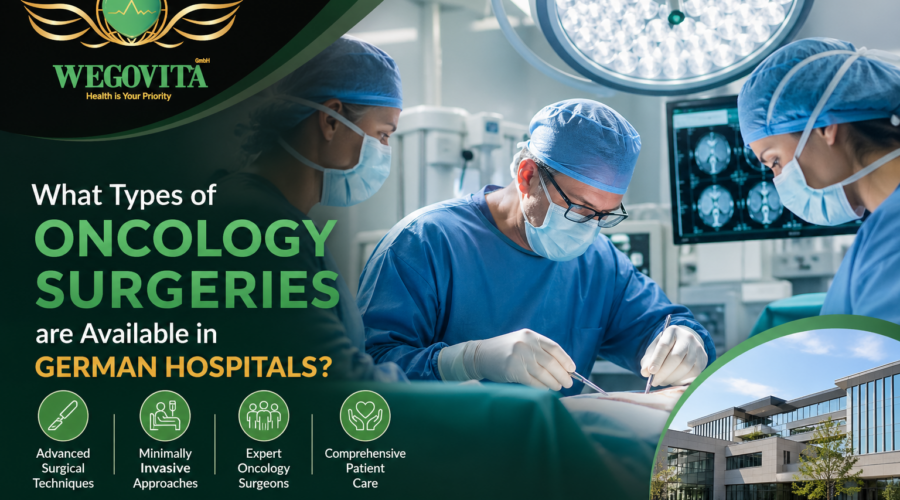
Cancer treatment has evolved rapidly, and surgical oncology remains one of the most powerful tools in fighting the disease. Patients across the globe are increasingly looking toward Germany for advanced cancer care, especially when it comes to precision-driven surgical procedures. German hospitals are known for combining cutting-edge technology with highly experienced surgeons, offering a wide range of oncology surgeries tailored to each patient’s condition.
In this detailed guide by WEGOVITA GmbH, we will explore the types of oncology surgeries available in German hospitals, how they work, and why they are gaining global attention.
Understanding Oncology Surgery
Oncology surgery refers to operations performed to diagnose, stage, or treat cancer. It plays a crucial role in removing tumors, reducing cancer spread, and improving survival outcomes. In many cases, surgery is combined with therapies like chemotherapy, radiation, or immunotherapy.
Hospitals in Germany are particularly recognized for integrating surgical oncology into multidisciplinary treatment plans, ensuring that patients receive comprehensive care.
Why German Hospitals Stand Out in Oncology Surgery
Before diving into specific procedures, it is important to understand what makes German hospitals unique:
- Advanced surgical technologies such as robotic systems
- Highly specialized oncology surgeons
- Strong focus on minimally invasive techniques
- Strict quality and safety standards
- Personalized treatment planning
These factors make Germany a preferred destination for patients seeking reliable and innovative cancer treatments.
Major Types of Oncology Surgeries Available
1. Tumor Removal Surgery (Resection Surgery)
This is the most common form of cancer surgery. It involves removing the tumor along with some surrounding healthy tissue to ensure complete elimination.
Common uses:
- Breast cancer
- Lung cancer
- Colon cancer
- Liver tumors
German surgeons often use precision imaging and intraoperative navigation systems to ensure maximum tumor removal while preserving healthy tissue.
2. Minimally Invasive Cancer Surgery
Minimally invasive techniques are a major trend in oncology today. These surgeries involve smaller incisions, leading to faster recovery and fewer complications.
Types include:
- Laparoscopic surgery
- Endoscopic surgery
Benefits include:
- Reduced pain
- Shorter hospital stay
- Minimal scarring
Hospitals in Germany are pioneers in adopting these advanced approaches for multiple cancer types.
3. Robotic-Assisted Oncology Surgery
Robotic surgery is transforming cancer treatment worldwide. In Germany, many hospitals use robotic systems to perform highly precise operations.
Common applications:
- Prostate cancer
- Gynecological cancers
- Kidney tumors
Robotic systems allow surgeons to operate with enhanced vision and control, improving accuracy and reducing risks.
4. Organ-Sparing Surgery
In many cases, preserving the affected organ is possible. Organ-sparing surgery focuses on removing only the cancerous part while maintaining the organ’s function.
Examples:
- Breast-conserving surgery
- Kidney-sparing surgery
- Lung segmentectomy
This approach significantly improves quality of life after treatment.
5. Cytoreductive Surgery
This advanced procedure is used when cancer has spread within the abdominal cavity. The goal is to remove as much tumor mass as possible.
It is often combined with heated chemotherapy treatment delivered directly into the abdomen.
Used for:
- Ovarian cancer
- Peritoneal cancers
German hospitals are well known for their expertise in these complex procedures.
6. Reconstructive Surgery After Cancer
After tumor removal, reconstructive surgery helps restore the appearance and function of affected areas.
Common procedures:
- Breast reconstruction after mastectomy
- Facial reconstruction after head and neck cancer
- Skin grafting
These surgeries play an essential role in physical and emotional recovery.
7. Palliative Surgery
Not all cancer surgeries aim to cure the disease. Palliative surgery focuses on improving quality of life by relieving symptoms.
Examples include:
- Removing blockages in the digestive system
- Reducing tumor size to ease pain
- Stabilizing bones affected by cancer
German hospitals emphasize patient comfort and dignity in such treatments.
8. Preventive (Prophylactic) Surgery
In some high-risk cases, surgery is performed to prevent cancer before it develops.
Examples:
- Preventive mastectomy
- Removal of high-risk organs
This is usually recommended for patients with strong genetic predisposition.
Specialized Oncology Surgeries by Cancer Type
German hospitals offer highly specialized procedures depending on the type of cancer.
Breast Cancer Surgery
- Lumpectomy
- Mastectomy
- Breast reconstruction
Lung Cancer Surgery
- Lobectomy
- Pneumonectomy
Gastrointestinal Cancer Surgery
- Colon resection
- Stomach tumor removal
Brain Tumor Surgery
Advanced neurosurgical techniques are used to remove tumors with precision while protecting vital brain functions.
Urological Cancer Surgery
- Prostate removal
- Kidney tumor surgery
Each treatment plan is carefully designed by multidisciplinary teams to achieve the best outcomes.
Role of Technology in German Oncology Surgery
One of the biggest reasons patients choose Germany is its strong focus on innovation.
Key technologies include:
- 3D imaging and surgical planning
- Intraoperative MRI and CT scans
- Robotic-assisted systems
- Laser and ultrasound-guided surgery
These technologies help surgeons operate with extreme precision, reducing risks and improving recovery times.
What International Patients Can Expect
For international patients, undergoing oncology surgery in Germany is a structured and well-supported process.
Typical journey includes:
- Initial consultation and medical review
- Personalized treatment plan
- Visa and travel assistance
- Surgery and hospital stay
- Post-treatment care and follow-up
Companies like WEGOVITA GmbH assist patients throughout this journey, making the process smooth and stress-free.
Recovery and Rehabilitation After Surgery
Recovery plays a crucial role in cancer treatment success.
German hospitals provide:
- Advanced post-operative care
- Physiotherapy and rehabilitation
- Nutritional support
- Psychological counseling
This holistic approach ensures patients regain strength and return to normal life as quickly as possible.
Risks and Considerations
While oncology surgery is highly effective, it is important to understand potential risks:
- Infection
- Bleeding
- Complications related to anesthesia
- Recovery time depending on procedure
German hospitals minimize these risks through strict protocols and advanced monitoring systems.
Cost of Oncology Surgery in Germany
The cost varies depending on:
- Type of surgery
- Hospital and surgeon expertise
- Length of stay
- Additional treatments
While treatment may be expensive compared to some countries, the quality of care and success rates often justify the investment.
How WEGOVITA GmbH Supports Your Journey
WEGOVITA GmbH specializes in connecting international patients with top hospitals in Germany.
Services include:
- Medical consultation coordination
- Hospital selection
- Travel and accommodation assistance
- Language support
- Continuous patient guidance
Their goal is to ensure patients receive world-class treatment without unnecessary stress.
Frequently Asked Questions
What is the most common type of cancer surgery in Germany?
Tumor removal or resection surgery is the most commonly performed procedure, often combined with other treatments.
Are minimally invasive surgeries widely available?
Yes, German hospitals are leaders in minimally invasive and robotic-assisted cancer surgeries.
How long is the recovery period after oncology surgery?
Recovery time varies depending on the type of surgery, but minimally invasive procedures generally allow faster healing.
Is Germany safe for international cancer patients?
Yes, Germany is known for its high medical standards, patient safety, and advanced healthcare infrastructure.
Can surgery completely cure cancer?
In many cases, especially when detected early, surgery can remove cancer completely. However, outcomes depend on the cancer type and stage.
Do German hospitals offer personalized treatment plans?
Yes, treatment plans are tailored to each patient using a multidisciplinary approach.
Final Thoughts
Oncology surgery in Germany represents a blend of precision, innovation, and patient-centered care. From minimally invasive techniques to complex tumor removal procedures, patients have access to some of the most advanced surgical options available today.
Whether you are seeking early-stage treatment or advanced cancer care, exploring surgical options in Germany can open doors to better outcomes and improved quality of life.
Ready to explore world-class cancer treatment options in Germany? Connect with WEGOVITA GmbH today and take the first step toward expert-led, personalized oncology care that puts your health first.