Spinal Stenosis

✅ Spinal Stenosis: Causes, Symptoms & Advanced Treatment Options

Regain Comfort and Mobility with Expert Diagnosis & Care

🧠 What Is Spinal Stenosis?

Spinal stenosis is a condition where the spaces within the spine narrow, putting pressure on the spinal cord or nerve roots. This compression can lead to pain, numbness, muscle weakness, and difficulty walking.

It most commonly affects the lower back (lumbar stenosis) and the neck (cervical stenosis). The narrowing is usually due to age-related changes like arthritis, disc degeneration, or thickened ligaments.
📊 Fast Facts About Spinal Stenosis

Spinal Stenosis Facts
🔹 Affects over 250,000 people annually in Europe and North America.
👵 Most common in adults over age 50.
🔁 Spinal stenosis is the leading reason for spinal surgery in older adults.
💊 Over 70% of patients initially benefit from non-surgical treatment.
⚠️ Without treatment, symptoms may progress to significant mobility loss or nerve damage.

⚠️ Common Causes of Spinal Stenosis

Spinal stenosis is usually degenerative but can also result from structural abnormalities or trauma. Causes include:
  • Osteoarthritis & Bone Spurs
  • Thickened Ligaments (Ligamentum Flavum Hypertrophy)
  • Herniated Discs
  • Degenerative Disc Disease
  • Spinal Injuries or Fractures
  • Tumors or Infections (less common)
  • Congenital Spinal Narrowing (in younger individuals)

🧍 Symptoms of Spinal Stenosis

Spinal Stenosis Symptoms

Symptoms often develop gradually and vary depending on the affected region.

🦴 Lumbar (Lower Back) Stenosis
Low back pain and stiffness
Numbness or tingling in the legs
Neurogenic claudication: Pain, cramping, or weakness in the legs when walking or standing
Relief with bending forward or sitting
🧠 Cervical (Neck) Stenosis
Neck pain and stiffness
Pain or numbness in shoulders, arms, or hands
Weakness in the arms or legs
In severe cases: difficulty walking, loss of bladder/bowel control

🧪 Diagnosing Spinal Stenosis

A spine specialist may use:

  • Physical Exam: Reflex, strength, balance, and sensory tests
  • Imaging:
      • MRI: Best for assessing spinal canal narrowing and nerve compression
      • CT Scan or Myelogram: Useful if MRI is not possible
      • X-rays: To detect structural abnormalities or alignment issues

💊 Treatment Options for Spinal Stenosis

Treatment Options for Spinal Stenosis

Treatment depends on severity and impact on daily function. Many patients improve with non-surgical care, while others require surgical decompression.

🩺 Conservative Treatments

Treatment Option Description
Medications NSAIDs, pain relievers, or neuropathic drugs (e.g., gabapentin) to reduce pain and inflammation.
Physical Therapy Strengthening core muscles, improving posture, and stretching tight tissues.
Epidural Steroid Injections Temporary relief by reducing inflammation around compressed nerves.
Activity Modification Avoiding prolonged standing or walking, using a cane or walker if necessary.
Weight Loss & Exercise Reduces spinal load and improves mobility.

🛠️ Surgical Treatments

Surgery is considered when conservative therapy fails or if neurological symptoms progress. Common procedures include:

Surgical Option Description
Laminectomy (Decompression Surgery) Removal of the lamina (back part of the vertebra) to relieve pressure on the spinal cord or nerves. Most common surgery for stenosis.
Laminotomy Partial removal of lamina—less invasive, preserves more bone and tissue.
Spinal Fusion Often combined with decompression to stabilize the spine, especially in cases of spondylolisthesis or instability.
Interspinous Process Devices Minimally invasive implants that keep spinal canal open and reduce nerve compression.

💡 Did you know? Laminectomy has a success rate of 80–90% in properly selected patients, especially those with leg symptoms due to nerve compression.

🕒 Recovery and Prognosis

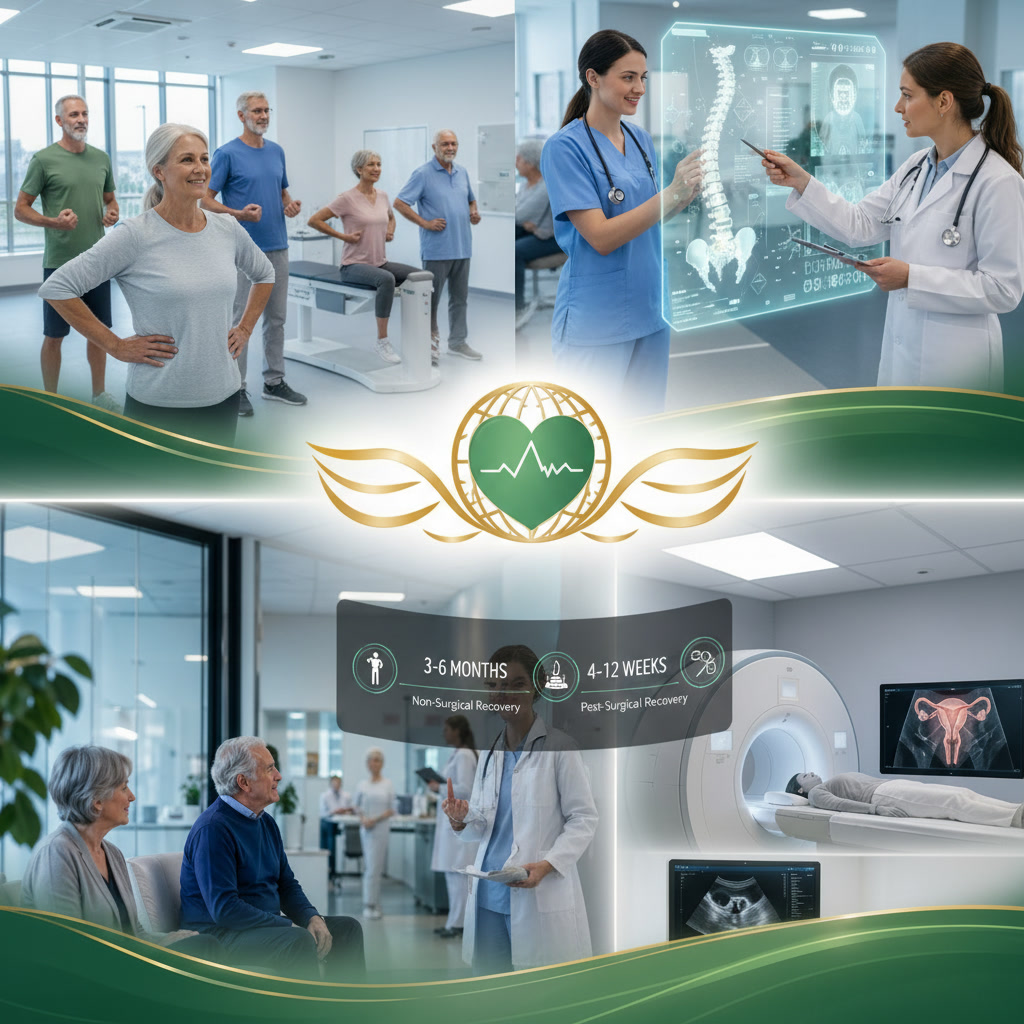
  • Non-surgical patients often improve within 3–6 months with consistent physical therapy and care.
  • Post-surgical recovery varies from 4–12 weeks, depending on procedure complexity and patient age.
  • Ongoing rehabilitation, weight management, and spine-friendly movement help prevent recurrence.

🧭 Living with Spinal Stenosis: Lifestyle Tips

Spine Health Prevention Tips
🚶♂️ Low-impact exercise (like walking, swimming, or cycling)
🪑 Use chairs with lumbar support
⏱️ Avoid prolonged standing; take frequent breaks
🧘 Strengthen core and back muscles
🚭 Quit smoking (to support disc and nerve health)

📞 Get Expert Spine Care with WEGOVITA

WEGOVITA connects you with leading spinal specialists in Germany offering advanced diagnostics, individualized treatment plans, and world-class minimally invasive surgery.

👉 Contact us today for expert help with spinal stenosis, and take your first step toward pain relief and renewed mobility.

Book Your Spinal Stenosis Treatment in Germany Today

Connect with a WEGOVITA medical advisor within 24 hours and take the first step toward regaining comfort and mobility. Advanced diagnosis and care relieve nerve pressure, pain, and muscle weakness.
WEGOVITA – Where Medical Excellence Meets Personalized Care

At vero eos et accusamus et iusto odio digni goikussimos ducimus qui to bonfo blanditiis praese. Ntium voluum deleniti atque.

Melbourne, Australia
(Sat - Thursday)
(10am - 05 pm)
Melbourne, Australia
(Sat - Thursday)
(10am - 05 pm)

Subscribe to our newsletter

Sign up to receive latest news, updates, promotions, and special offers delivered directly to your inbox.
No, thanks