

What Is Scoliosis?
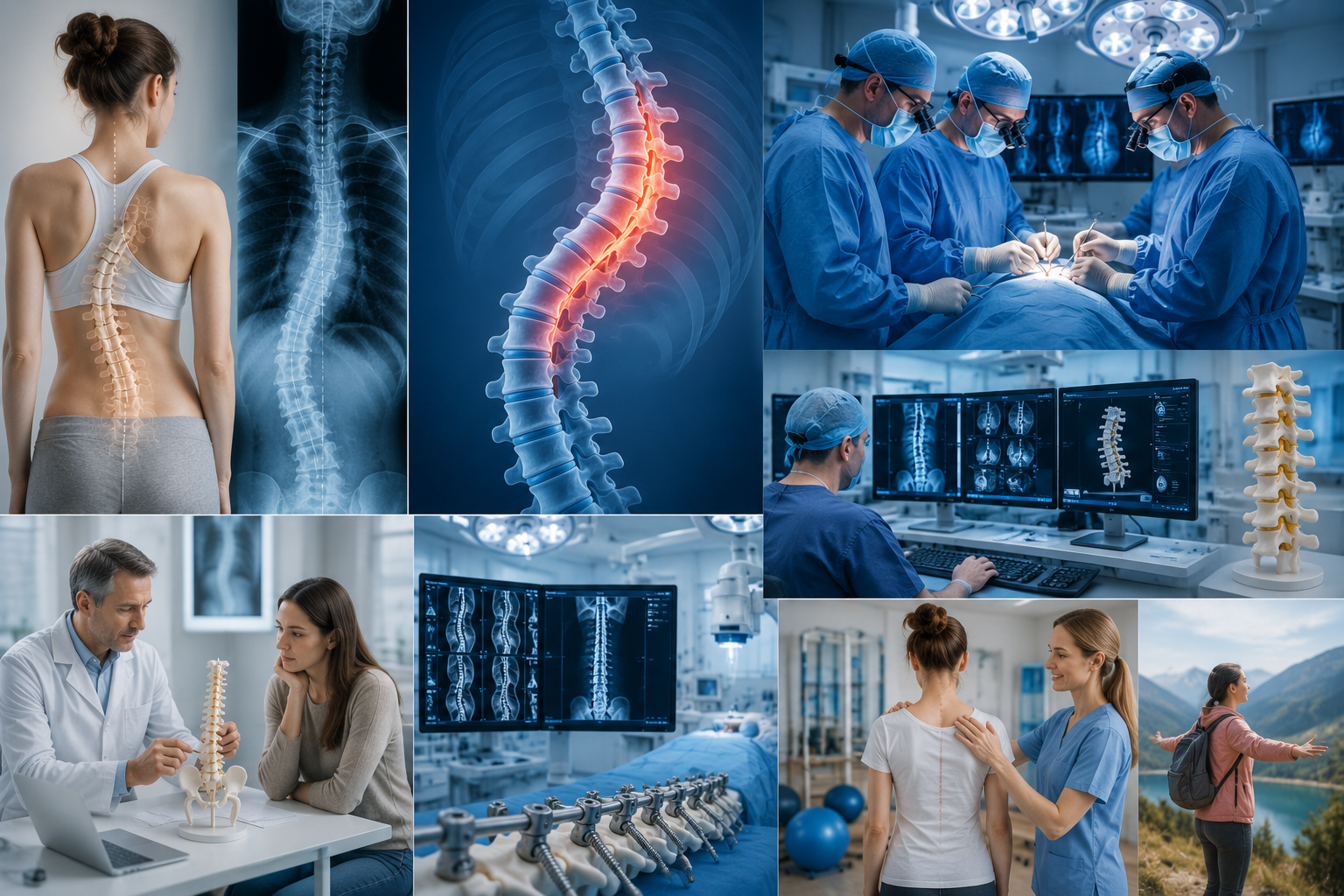
Scoliosis is a spinal deformity characterized by an abnormal sideways curvature of the spine. Instead of maintaining a straight alignment when viewed from behind, the spine curves into an “S” or “C” shape. In more severe cases, the condition can also cause spinal rotation, leading to visible asymmetry of the shoulders, ribs, waist, or hips.
While mild scoliosis may not require surgical intervention, progressive or severe spinal curves can cause chronic pain, impaired mobility, breathing difficulties, cosmetic concerns, and reduced quality of life. For these patients, scoliosis surgery can provide effective correction, improved spinal balance, and long-term stability.
At WEGOVITA, international patients gain access to Germany’s leading spinal surgeons and specialized spine centers, offering advanced scoliosis surgery using modern techniques, sophisticated spinal implants, and personalized treatment plans.
Understanding Scoliosis
Scoliosis can affect individuals of all ages, from children and adolescents to adults. The severity of the spinal curve varies significantly, ranging from mild deformities to complex spinal conditions requiring surgical correction.
The condition may develop gradually and often progresses during periods of rapid growth, particularly during adolescence.
Types of Scoliosis
Adolescent Idiopathic Scoliosis
This is the most common form of scoliosis and typically develops between the ages of 10 and 18. The exact cause remains unknown, although genetic factors are believed to play a role.
Congenital Scoliosis
Congenital scoliosis results from abnormal spinal development before birth. Vertebrae may be improperly formed or fused, leading to spinal curvature as the child grows.
Neuromuscular Scoliosis
This type occurs secondary to neurological or muscular disorders such as:
- Cerebral palsy
- Muscular dystrophy
- Spinal muscular atrophy
- Spina bifida
Degenerative Adult Scoliosis
Degenerative scoliosis develops later in life due to age-related changes affecting the discs, joints, and ligaments of the spine. It is frequently associated with back pain, spinal instability, and nerve compression
Symptoms of Scoliosis
Symptoms depend on the severity and location of the spinal curvature.
Common symptoms include:
In severe cases, scoliosis may also affect lung function and breathing capacity due to distortion of the rib cage.
When Is Scoliosis Surgery Recommended?
Not all patients with scoliosis require surgery. However, surgical treatment may be recommended when:
The primary goal of surgery is to correct the spinal deformity, prevent further progression, relieve symptoms, and improve overall function and quality of life.
Comprehensive Evaluation Before Surgery
German spine specialists perform a detailed assessment to determine the most appropriate treatment strategy.
Clinical Examination
The evaluation includes:
- Posture assessment
- Spinal flexibility analysis
- Neurological examination
- Balance evaluation
- Functional assessment
Advanced Imaging
Diagnostic studies may include:
- Full-spine X-rays
- Magnetic Resonance Imaging (MRI)
- Computed Tomography (CT)
- Three-dimensional spinal imaging
These examinations allow surgeons to accurately measure spinal curvature and develop a personalized surgical plan.
Surgical Treatment Options for Scoliosis
Germany is internationally recognized for advanced scoliosis correction procedures and complex spinal deformity surgery.
Posterior Spinal Fusion
Posterior spinal fusion is the most commonly performed scoliosis surgery.
During the procedure, specialized rods, screws, and implants are attached to the spine to gradually correct the curvature. Bone grafts are then used to fuse the corrected spinal segments into a stable position.
Benefits include:
- Significant curve correction
- Improved spinal alignment
- Prevention of future progression
- Enhanced body symmetry
- Long-term spinal stability
Growth-Friendly Procedures for Children
For younger children with progressive scoliosis, specialized growth-preserving techniques may be considered.
These approaches aim to:
- Control spinal deformity
- Allow continued growth of the spine and chest
- Reduce the impact on lung development
Treatment plans are individualized according to the child’s age and specific condition.
Instrumented Spinal Correction
Modern spinal implants allow surgeons to achieve highly precise correction while maintaining optimal spinal balance.
Advanced technologies used in Germany include:
- Titanium spinal implants
- Computer-assisted surgical navigation
- Intraoperative neuromonitoring
- Three-dimensional surgical planning
These innovations help improve safety and surgical outcomes.
Adult Scoliosis Surgery
Adult scoliosis surgery may involve correction of spinal curvature combined with treatment of:
- Spinal stenosis
- Nerve compression
- Degenerative disc disease
- Vertebral instability
The procedure is carefully tailored to relieve pain, restore alignment, and improve mobility.
Advanced Technologies Used in German Spine Centers
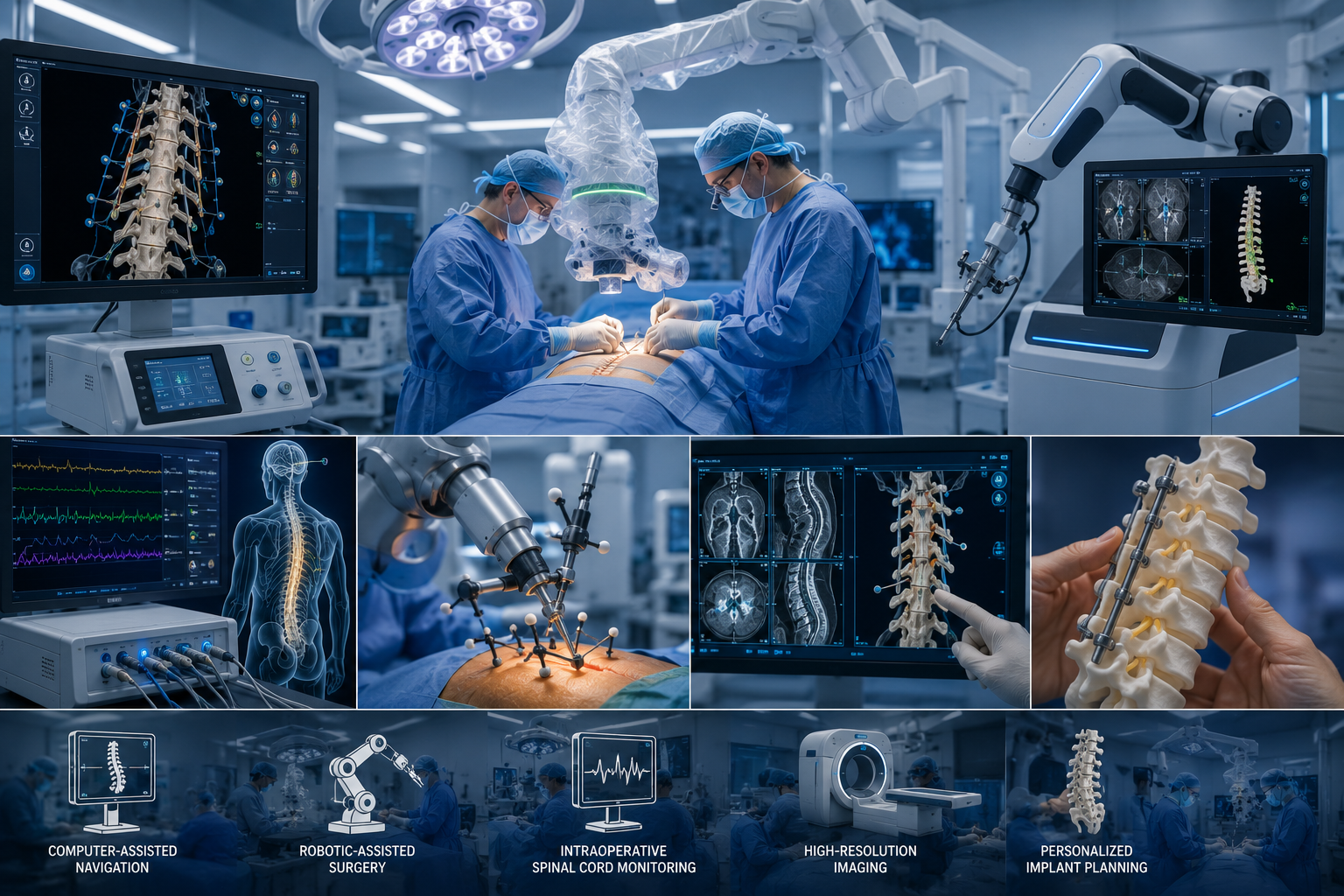
Germany’s leading spine hospitals utilize cutting-edge technologies that enhance precision and patient safety.
These may include:
- Computer-assisted navigation systems
- Robotic-assisted spinal surgery
- Intraoperative spinal cord monitoring
- High-resolution imaging
- Personalized implant planning
Such technologies are particularly valuable in complex scoliosis cases where accuracy is critical.
Recovery After Scoliosis Surgery
Recovery depends on the patient’s age, the severity of the deformity, and the extent of surgical correction.
Following surgery, patients are encouraged to gradually increase activity under medical supervision.
Rehabilitation may include:
- Physiotherapy
- Postural training
- Muscle strengthening
- Mobility exercises
- Long-term follow-up monitoring
Many patients experience substantial improvements in posture, comfort, appearance, and daily functioning after recovery.
Benefits of Scoliosis Surgery
For appropriately selected patients, scoliosis surgery can provide life-changing improvements.
Potential benefits include:
- Correction of spinal deformity
- Improved posture and body balance
- Prevention of further curve progression
- Reduced pain
- Enhanced mobility
- Improved breathing capacity in severe cases
- Greater confidence and self-esteem
- Better overall quality of life
Modern surgical techniques allow significant correction while maintaining a strong focus on safety and long-term function.
Why Choose Germany for Scoliosis Surgery?
Germany is one of the world’s leading destinations for complex spinal deformity correction and scoliosis surgery.
International patients benefit from:
- Highly specialized scoliosis surgeons
- Dedicated spinal deformity centers
- Advanced surgical technologies
- Expertise in pediatric and adult scoliosis
- Personalized treatment planning
- Multidisciplinary care teams
- Comprehensive rehabilitation programs
- Internationally recognized medical standards
German spine centers are particularly experienced in treating challenging scoliosis cases that require sophisticated surgical planning and execution
Scoliosis Surgery in Germany with WEGOVITA
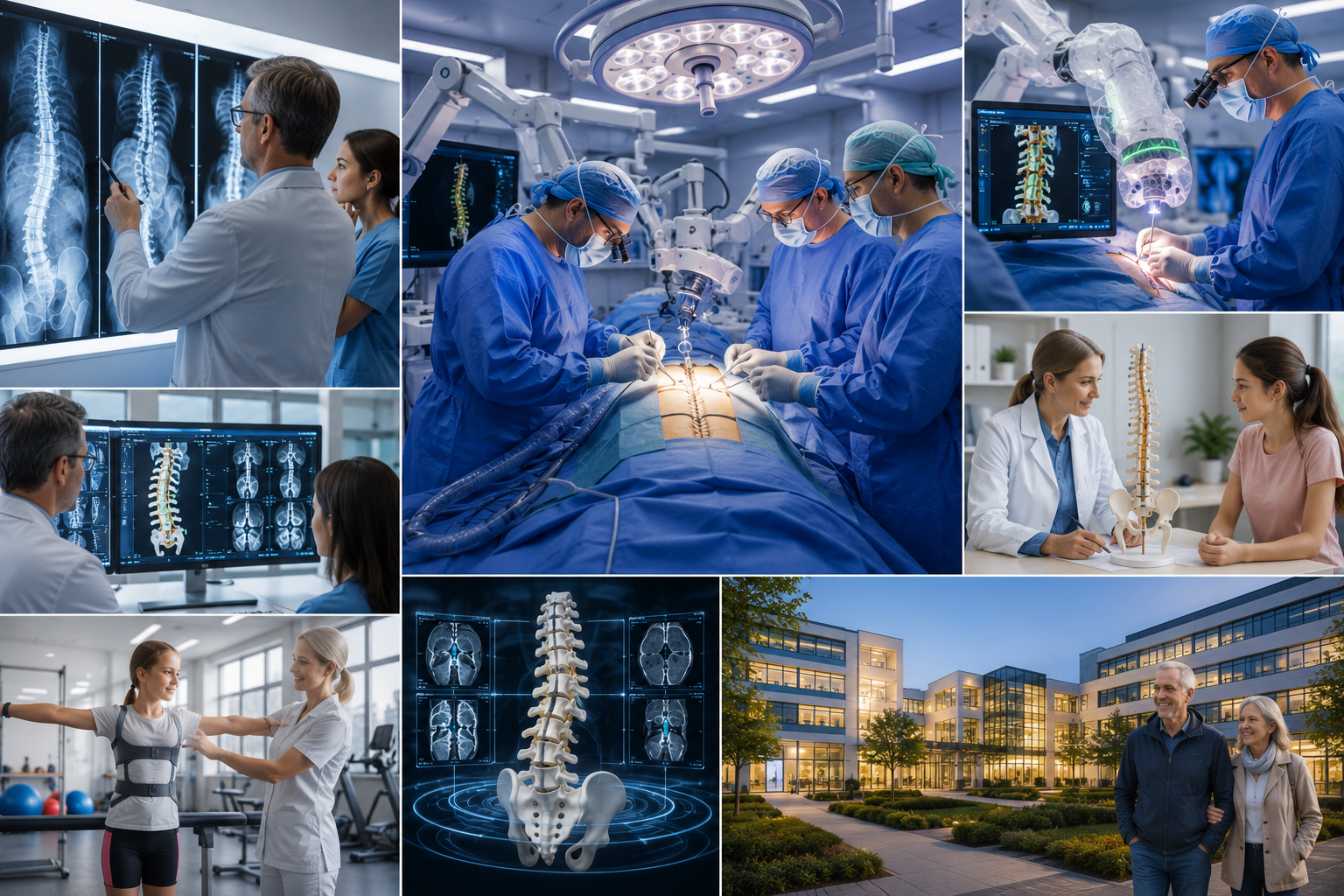
WEGOVITA provides international patients with direct access to Germany’s leading scoliosis surgeons, university hospitals, and specialized spine centers. Our team coordinates every stage of the treatment journey, including medical case review, expert consultations, hospital selection, travel arrangements, medical translation, and long-term follow-up support.
Through our exclusive partnerships with top German spine specialists, patients receive individualized treatment plans based on the latest advancements in scoliosis correction and spinal deformity surgery.


