

Spinal Tumors: Diagnosis, Treatment, and Germany’s Leading Role in Advanced Care
Spinal tumors are abnormal growths that develop in or around the spinal cord or vertebrae. Though rare, they can have profound effects on a patient’s health, mobility, and neurological function. Spinal tumors may be benign (non-cancerous) or malignant (cancerous) and can originate from the spine (primary tumors) or spread from other cancers (metastatic tumors).
Germany stands at the forefront of spinal tumor diagnosis and treatment, combining cutting-edge technology with world-renowned medical expertise. At the heart of this medical journey, WEGOVITA supports international patients in accessing top-tier spinal tumor care in Germany with ease and confidence.
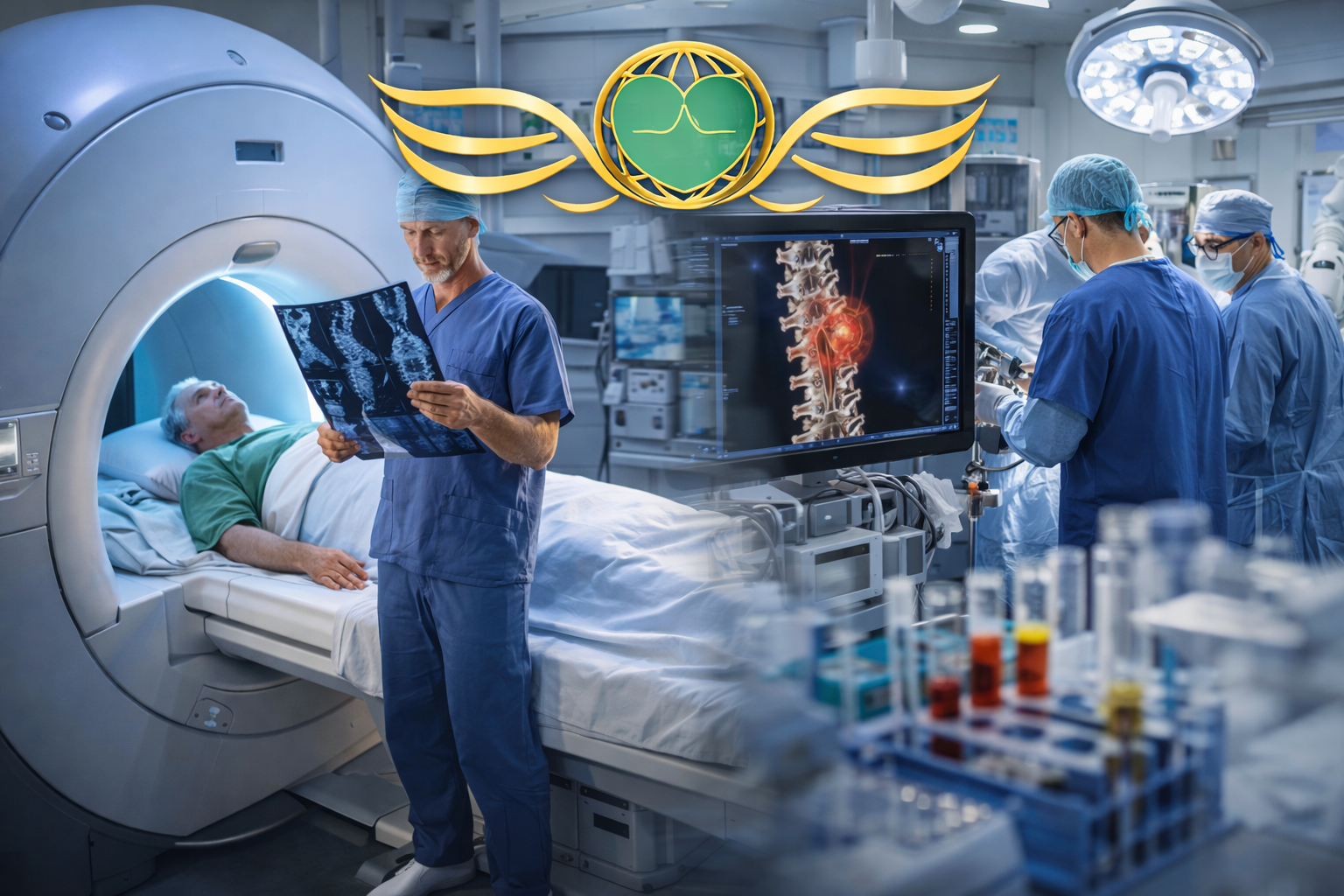
Types of Spinal Tumors
Spinal tumors are classified by their location relative to the spinal cord:
Extradural Tumors
Occur outside the dura mater; most are metastatic.
Intradural-Extramedullary Tumors
Inside the dura but outside the spinal cord
e.g., meningiomas, schwannomas.
Intramedullary Tumors
Found within the spinal cord itself
e.g., astrocytomas, ependymomas
Epidemiology and Statistics
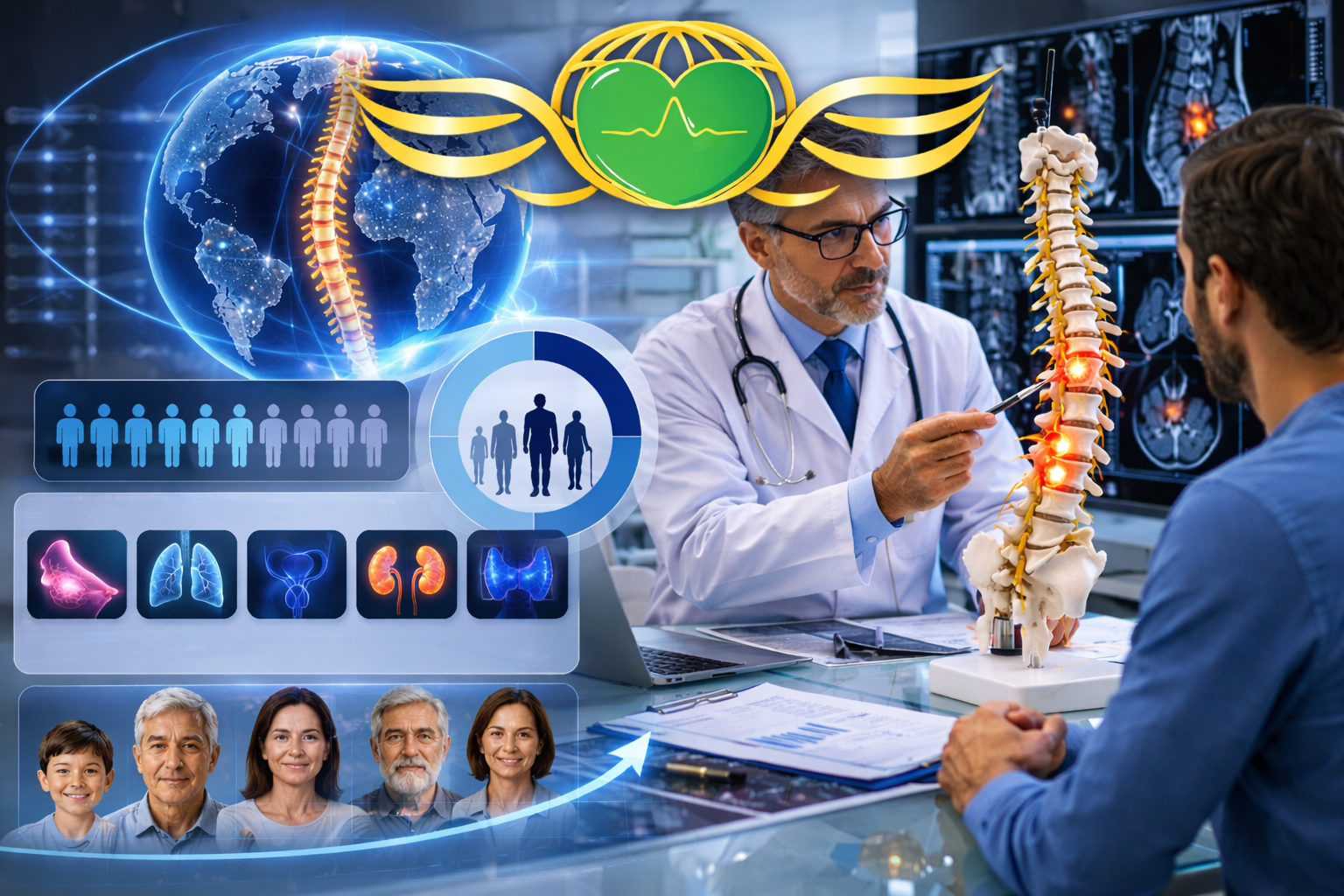
- Primary spinal tumors account for 0.5–1% of all tumors globally.
- Metastatic spinal tumors occur in 30–70% of cancer patients, depending on cancer type and stage.
- Common primary sources of spinal metastases: breast, lung, prostate, kidney, and thyroid cancers.
- Men are more frequently affected due to higher rates of prostate and lung cancer.
- Most common age group: 40–65 years, though some tumor types occur in children.
Symptoms and Diagnosis
Common Symptoms
Diagnostic Tools
Treatment Approaches
Treatment for spinal tumors is highly individualized and often involves a multidisciplinary approach.
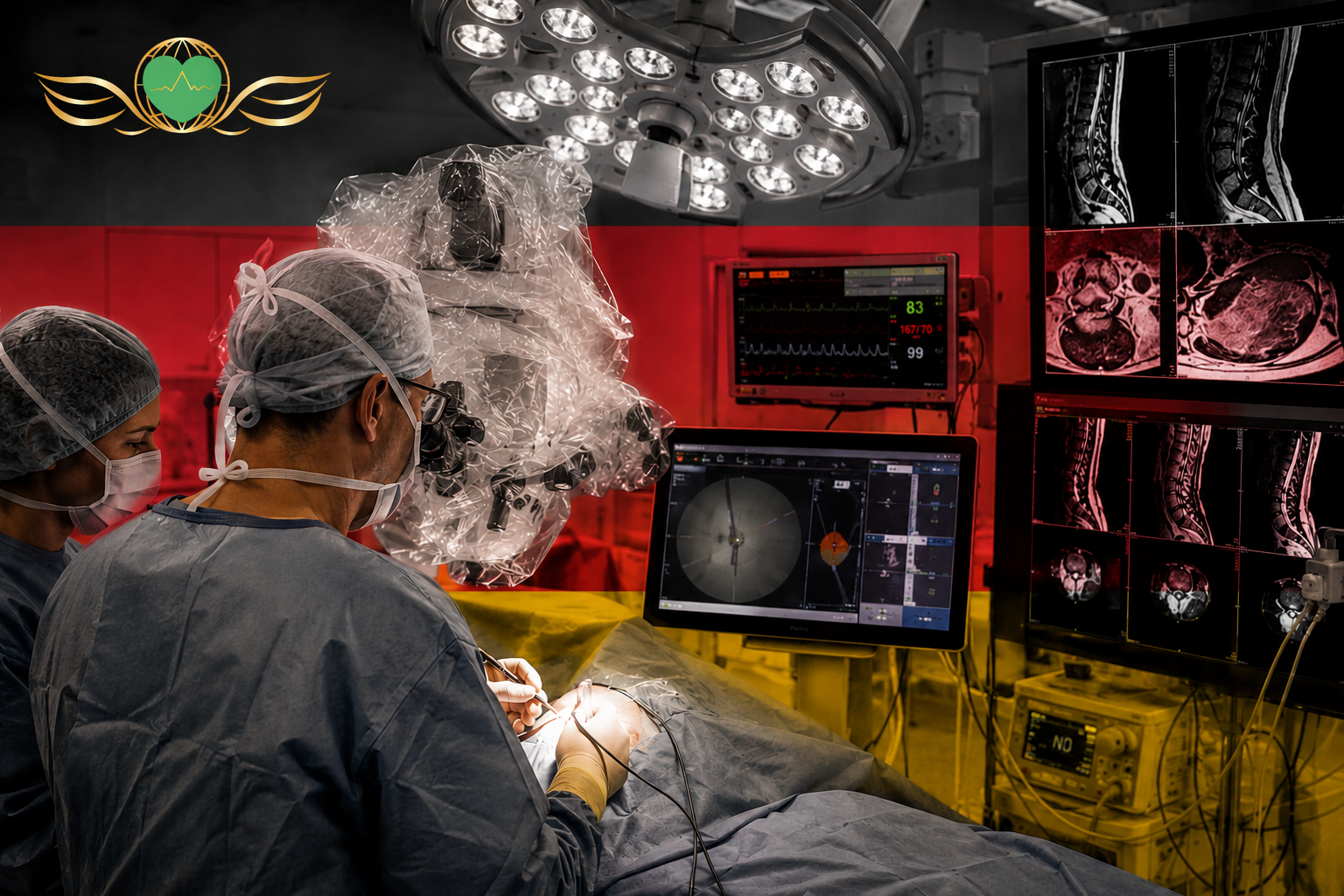
Germany’s Leading Role in Spinal Tumor Care
Germany offers world-class outcomes in spinal tumor care due to:
- Surgical success rates over 90% in benign tumors
- Complication rates below 5% in specialized centers using intraoperative neuro-monitoring
- Short hospital stays: average 5–10 days for minimally invasive procedures
- High-resolution imaging: including 3T MRI, PET-MRI, and neuro-navigation
- Integrated care teams: neurosurgeons, oncologists, radiologists, rehabilitation experts
- Ongoing research: active participation in clinical trials and innovation in spinal oncology
WEGOVITA: Your Partner for Spinal Tumor Treatment in Germany
Our Services Include:
Selection of top-certified hospitals and neurosurgeons
Appointment coordination and personalized treatment planning
Translation of medical records and assistance with second opinions
Visa and travel support
On-site support with interpreters and care coordinators
Post-treatment rehabilitation and follow-up arrangements
With WEGOVITA, patients receive not just treatment, but complete, compassionate support from start to finish.
Proven Results from German Medical Centers
| Tumor Type | 5-Year Survival (Benign) | 5-Year Survival (Malignant) | Gross Total Resection Rate | Average Hospital Stay |
|---|---|---|---|---|
| Meningioma | >95% | – | 95% | 5–7 days |
| Schwannoma | >90% | – | 90% | 4–6 days |
| Spinal Ependymoma | ~85% | 70–80% | 80% | 7–10 days |
| Metastatic Spine Tumor | – | Depends on primary cancer | ~60–75% (palliative goal) | 5–10 days |
| Intramedullary Astrocytoma | ~70% (low grade) | ~20–40% (high grade) | 50–70% | 7–12 days |
Data sourced from national cancer registries and major German clinical studies.
Conclusion
Spinal tumors require expert, timely care due to their potential impact on neurological function and quality of life. Germany offers some of the most advanced and effective spinal tumor treatments in the world, driven by surgical precision, innovative diagnostics, and personalized therapies.
Through WEGOVITA, international patients receive unparalleled access to this elite medical care—supported every step of the way by a dedicated, professional team.
Book Your Spinal Tumor Diagnosis & Treatment in Germany Today
Connect with a WEGOVITA medical advisor within 24 hours and take the first step toward advanced care for spinal tumors. Germany’s leading expertise combines cutting-edge technology with precise treatment to protect your mobility and neurological health.
WEGOVITA – Where Medical Excellence Meets Personalized Care


